As an Amazon Associate, Ordinary Prepper earns from qualifying purchases. Prices last checked October 28, 2026.
Home Readiness — Playbook
Five Days, No Generator: The No-Generator Outage Playbook
Short answer: Five days without a generator is not a smaller version of the generator plan; it is a different plan, and it works: the fridge becomes a 4-hour asset and then a cooler problem, the freezer is a sealed vault with a 24–48-hour clock, water comes from the tub you filled on day zero and the tank you already own, light comes from batteries, heat or cooling comes from the house itself managed properly, and food comes from the pantry in a deliberate order. Total new spending for a house that prepares this weekend: close to nothing — a case of water, batteries, ice packs in the freezer, and food you were going to eat anyway. The households that suffer through five-day outages are rarely the ones without generators; they are the ones without a sequence.
Before the lights go out (or in the first hour)
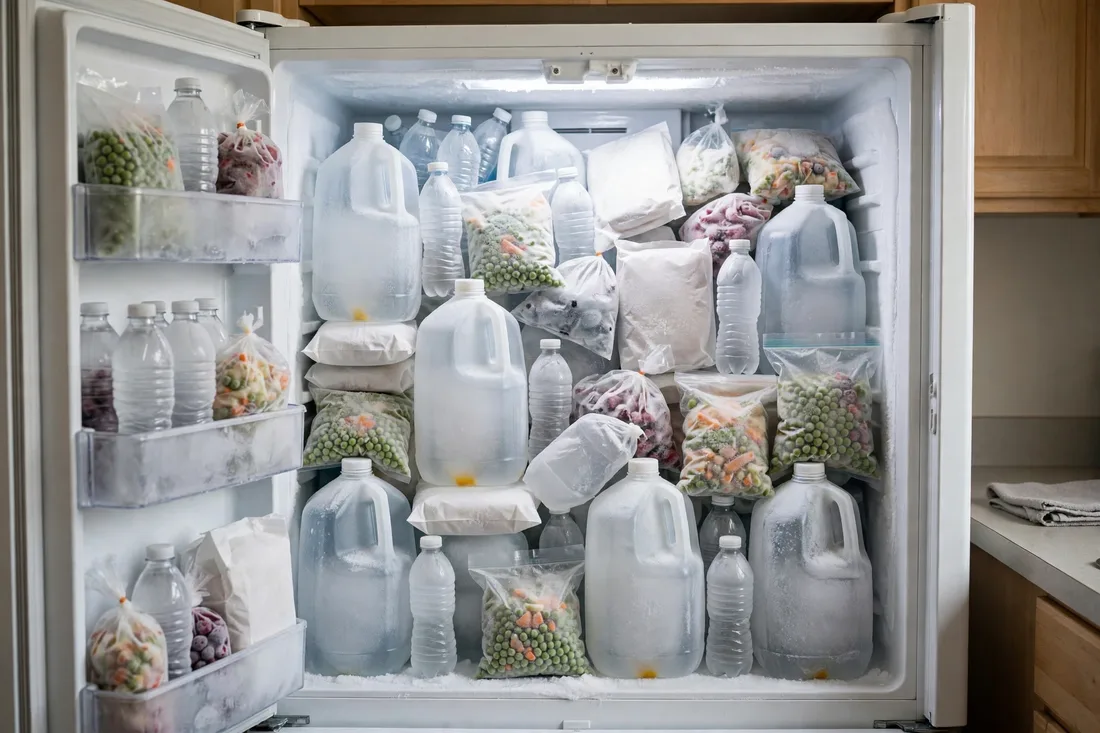
Fill the bathtub and every large pot — that is 40–80 gallons of flushing and washing water, free. Freeze every water bottle and jug that fits, in both fridge and freezer; frozen mass is time. Charge everything that has a battery: phones, lanterns, power banks, the laptop. Turn the fridge and freezer colder than usual — degrees banked now are hours later. Then check on the neighbours, because this playbook gets dramatically easier when it is run as a street, and someone two doors down has a grill, a chainsaw, or a generator and a generous streak.
Anker PowerCore 20000 PD
Why this one: This plan starts with charging everything that has a battery. A power bank turns that into phone charges measured in days, not hours — which is what five days of check-ins actually consumes.
Day one: the easy day, spent wisely
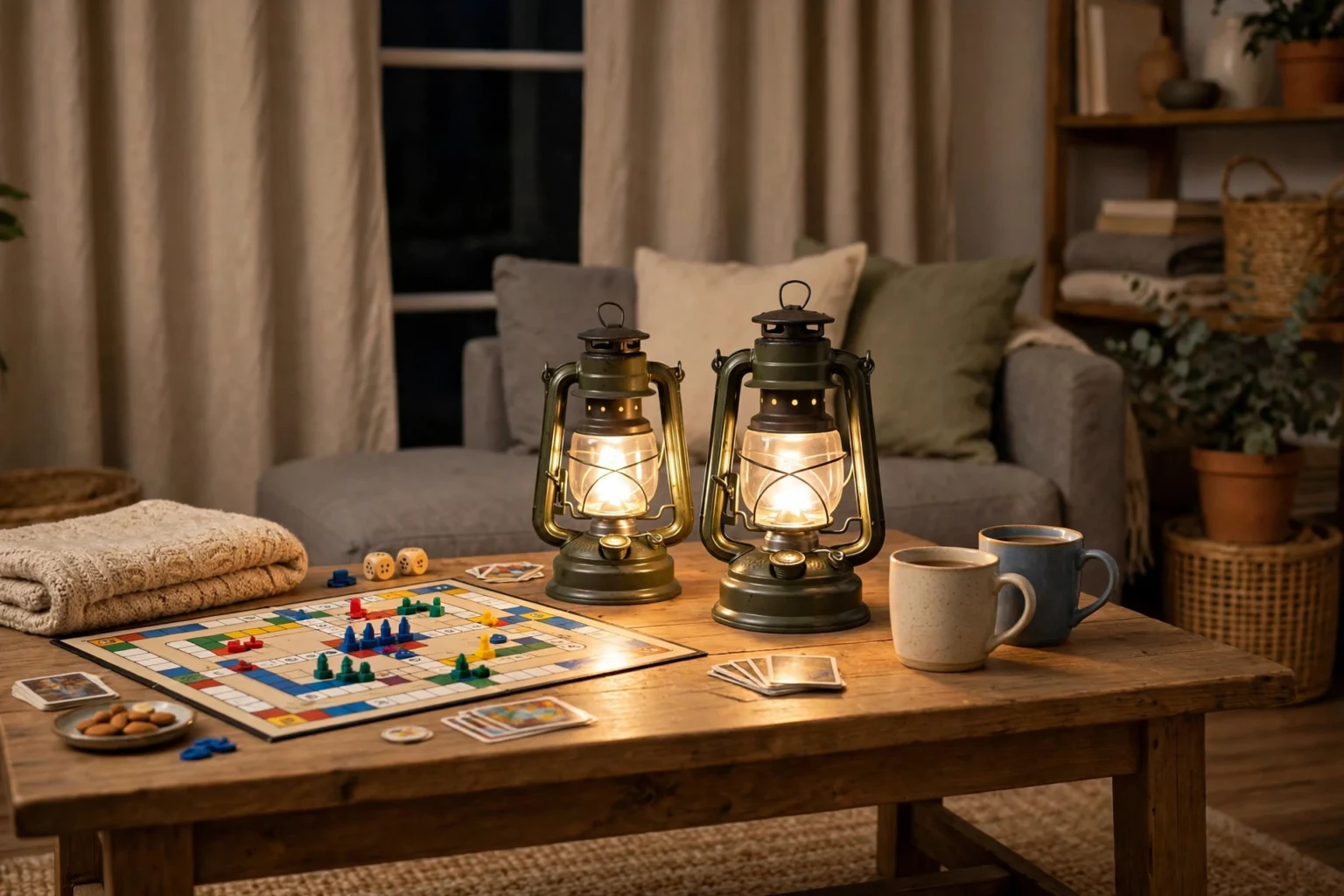
Day one is the day everything still works on stored cold. Eat from the fridge freely — its food is on the shortest clock, about 4 hours to the caution line and a day of careful eating in practice with the door kept shut between visits. Keep the freezer sealed entirely; it is not today’s food, it is day three’s negotiation. Cook nothing that needs cooking if you can help it: sandwiches, wraps, the no-cook shelf. Set the household rhythm early — lanterns in the rooms you actually use, everyone sleeping in the one easiest-to-warm or coolest room from tonight onward, phones on low-power mode with a single daily charging window. Morale is a logistics item: board games and a deck of cards have carried more families through outages than any gadget.
Day two: the freezer decision
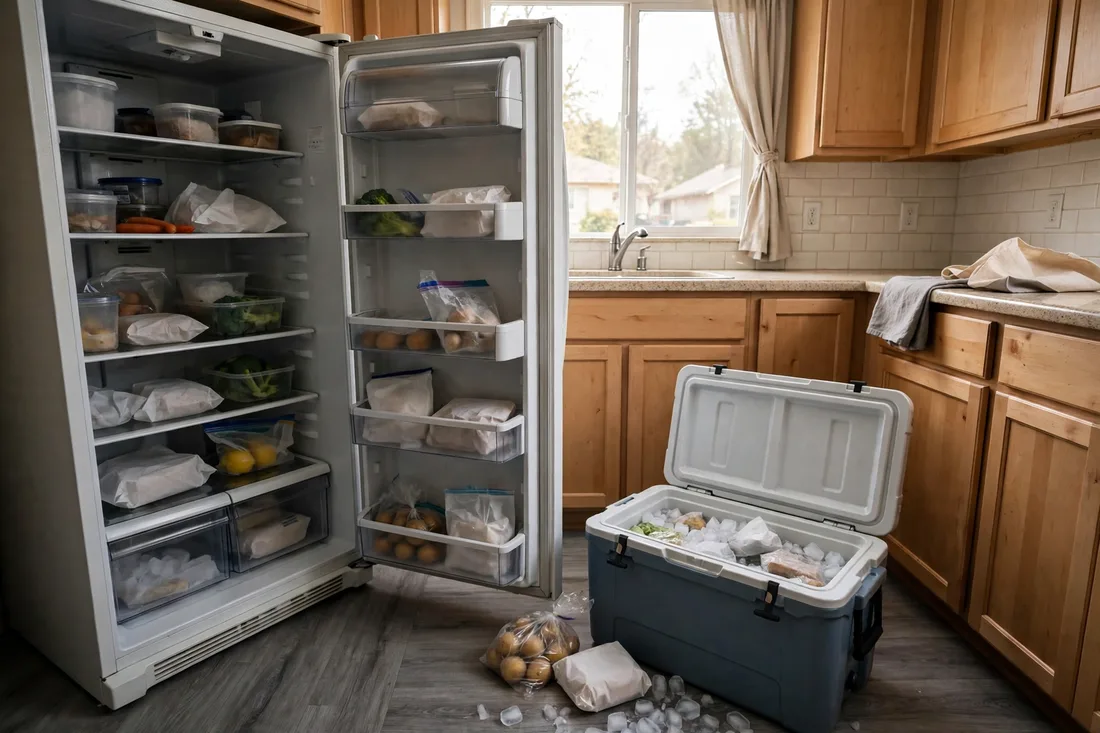
By hour 24–36 the freezer question arrives, and our hour-by-hour freezer page is the reference: a full freezer is safe to about 48 hours; today is when you decide whether today is a cook-everything day (a grill or camp stove outdoors turns a thawing freezer into a neighbourhood feast, which is not a failure mode but a tradition) or whether ice — bought, borrowed, or a neighbour’s powered freezer — extends the vault. Eat in the standing order: fridge first, freezer’s thawing edge second, pantry untouched while perishables remain. Water discipline starts now too: drinking water is sacred and separate; tub water flushes (a bucket poured into the bowl flushes any toilet), washes hands, and does dishes in a basin.
Water, split by job — the split starts on day two
Drinking water — sacred and separate, never spent on anything else
Tub water — flushes (a bucket poured into the bowl flushes any toilet), washes hands, does dishes in a basin
Well houses — the pressure tank gave its gallons on day one; from here it is stored water, rain barrels, and what the street organises
Days three to five: the pantry rhythm
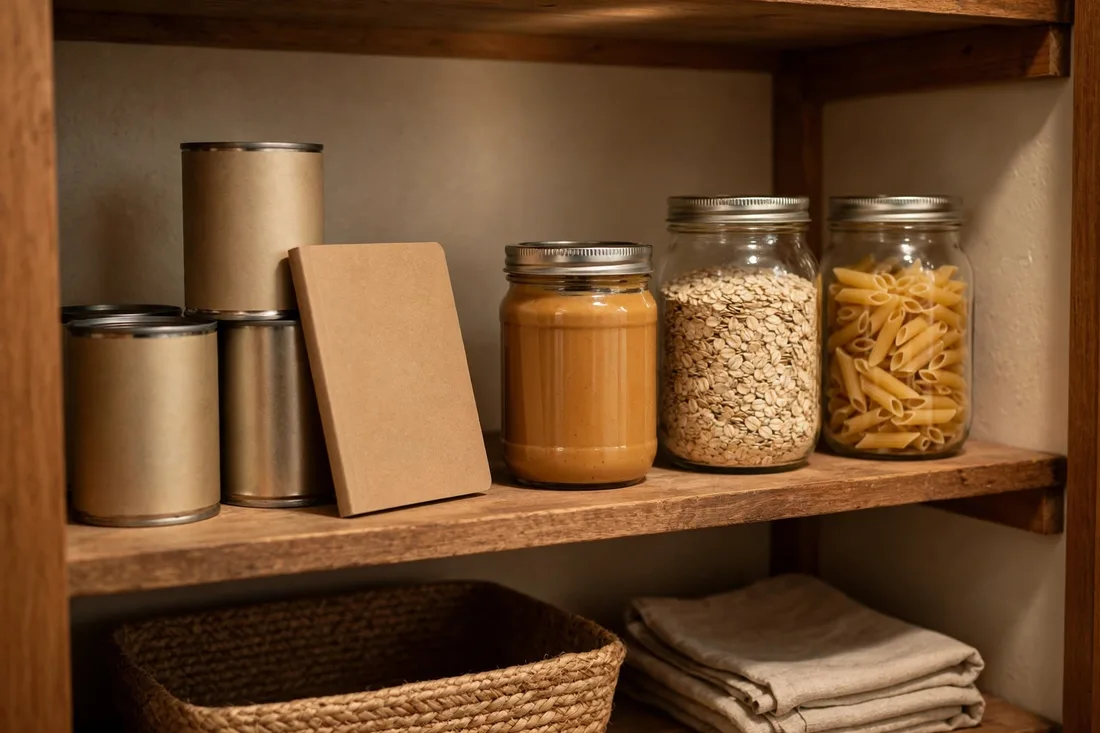
From day three the house runs on the shelf: the no-cook and one-pot rotation from the deep pantry — oats, peanut butter, canned everything, the foods bought for exactly this and eaten in ordinary life too, so nothing expires as a museum piece. Well houses: the pressure tank gave its gallons on day one, and from here water is stored water, rain barrels, and whatever the street organises — this is the one situation where the no-generator plan has a genuine hard edge, and it is why the well-pump sizing page exists. Heat in winter becomes the one-room strategy with the whole household in it, blankets as architecture, and pipes protected by dripping taps while any pressure remains and by draining the system if the house will sit cold — our freeze-protection work is the manual for that call. Summer reverses it: the cool room, the shade discipline, the night air.
Five days, in sequence
Day one — the easy day: eat from the fridge freely, keep the freezer sealed, set the rhythm — lanterns in the rooms you use, everyone sleeping in one room
Day two — the freezer decision: cook-everything day or ice day; water discipline starts — drinking water separate, tub water flushes and washes
Days three to five — the pantry rhythm: the house runs on the shelf, the no-cook and one-pot rotation, eaten in ordinary life too, so nothing expires as a museum piece
The six problems, re-cut for no power at all
This page is the child of our pillar guide to the six problems every house has to solve when the power goes out — food and cooking, power, communication, medical, sanitation, and the rest — with the powered answers removed. What survives the removal is the point: five of the six problems were never really about electricity. Food is a sequence. Sanitation is buckets, bags, and tub water. Communication is a battery radio and a phone on rations. Information is the same radio. Only the medical problem and the well-pump problem truly need watts, and both pages in the medical cluster say so honestly and plan around it — cooler protocols for medicines, priority-restoration lists, and knowing which house on the street has the generator before you need it.
The six problems, with the power removed — five of the six were never really about electricity
Food — a sequence, not a supply problem: fridge, freezer edge, then the pantry in order
Sanitation — buckets, bags, and tub water; none of it needs electricity
Communication — a battery radio, and a phone on rations
Information — the same radio: the one device that works in every outage
Medical and the well — the two problems that truly need watts, planned around honestly: cooler protocols, priority-restoration lists, the neighbour with the generator
The short shopping list, if you spend anything at all
This playbook is built to cost near-zero, and nothing below is required. If a small amount of money is available, four purchases do most of the work in a no-generator house, and all four are items we have already reviewed or use in our outage pillar: the Goal Zero Lighthouse 600 lantern (light for the one room everyone lives in), the Midland WR120B weather radio (news and warnings when phones and internet are down), an Anker PowerCore 20000 power bank (phone charges measured in days, not hours), and Millennium energy bars for the no-cook shelf. No prices are printed here because they move; the links show today’s figure.
Relevant pickGoal Zero Lighthouse 600 Lantern
Light for the one room everyone lives in — the first of the four purchases this playbook names.
The room-everyone-lives-in lantern
Your next step: the full six-problem version of this plan, with the gear for each problem, is our pillar page When the power goes out: the six problems every house has to solve.
Follow-up questions
What is the single best cheap purchase for this plan?
Light that is not your phone: a few battery lanterns and the batteries for them (our outage lighting comparison is built on exactly this logic) — because darkness at 6 p.m. is what makes a manageable outage feel like an emergency, and it is the cheapest feeling to fix in the whole plan.
How do I keep a baby / an elderly parent comfortable?
The same plan, with the thresholds from our summer and winter pages respected earlier: the vulnerable person’s comfort is the plan’s constraint, not its afterthought, and relocating them to a powered relative for the duration is a success of the plan, not a failure of it.
When does “no budget” stop being viable?
When the outage meets a need this page cannot route around: medical equipment that must run, a well with no stored water on day three, a house going below freezing inside. The honest playbook says where its edges are — and reaching the edge is the signal to use the network (neighbours, shelters, warming centres) that the first hour’s neighbour check built.
Where the no-budget plan reaches its edge
Medical equipment — equipment that must run cannot be routed around; that need outranks the playbook
A well, dry by day three — a well house with no stored water on day three has hit the plan’s genuine hard edge
A house below freezing — pipes at risk inside a cold house end the home-only version of the plan
The answer at the edge — use the network the first hour built: neighbours, shelters, warming centres. Reaching for it is the plan working, not failing
Frequently asked questions
Can I cook on a camp stove?
Outdoors, yes — that is its home. Indoors, no: our backup cooking page works through the carbon-monoxide lines stove by stove, and “the garage with the door open” is on the wrong side of them. Indoor-safe options exist (canned-heat warmers, the pantry’s no-cook shelf) and are the indoor answer.
How do I get news without internet?
A battery or hand-crank weather radio is the standing answer — it is the one information device that works in every outage ever recorded — backed by the car radio and the phone’s remaining charge spent on text updates, which sip where data guzzles.
What do I do about work?
Send the message on day one, from the first charging window, before it becomes an absence: employers forgive announced outages and wonder about silent ones. Then let it go — the playbook’s job is the house.
The bottom line
Five days, no generator, near-zero budget: fill the tub, freeze the jugs, eat in order, seal the freezer, light the rooms you use, sleep in one of them, and know your edges before you reach them. It is not the comfortable version of an outage. It is the competent one, and it is available to every house on the street this weekend.
This page hangs off What People Are Asking When the Power Goes Out, and its parent guide is When the Power Goes Out: The Six Problems Every House Has to Solve.
Talk it over with other homeowners
The Ordinary Prepper Community on Facebook is where readers compare outage plans, show their setups, and help decide what we test next.